
NOAA Predictions based on
Latitude: 49.7°N Longitude 18.7°W Time: GMT+x (Actual data)


The
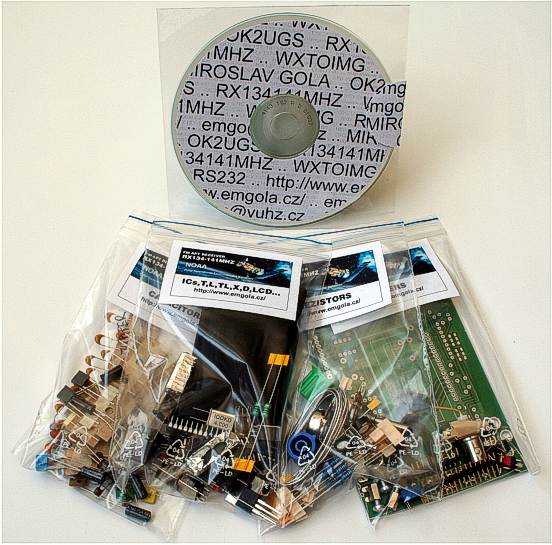
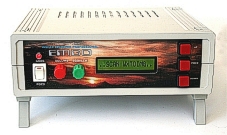
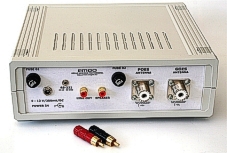
RX134141MHz KIT (highly
sensitive and selective superhetrodyne rx ...)


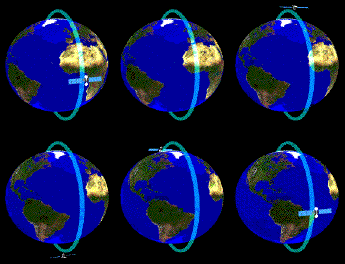
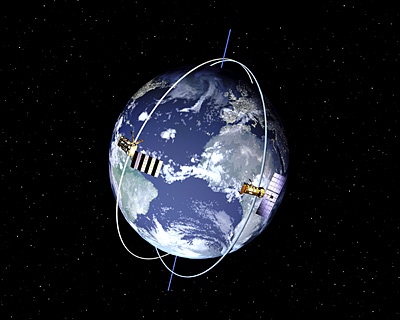
NOAA Orbit Tracks Europe and Global
(Actual data)

NORAD
Two-Line Element Sets Current Data

Satellite Status Information
(Satellite NOAA 15, NOAA 17, NOAA 18, NOAA-19)

NOAA SATELLITES AND INFORMATION

Summary
of Russian Meteorological METEOR Satellites
Note:
There are no Okean, Sich or Meteor satellites currently active

Click
J-Track
to track the weather satellites in real time.

What's New? ...
POES Planning Launch Schedule ... NOAA - 19 Prime' ... Feb. 2009
NOAA 18 frequency changed (again!)
NOAA 18 changed frequency from 137.9125 MHz to 137.1000 MHz on 16 August 2007.
For most users, this change will have been transparent --
WXtoImg automatically updates it's
frequency table when the Keplers are updated.
NOAA 12 has been
decommissioned
NOAA 12 was decommissioned (permanently switched off) on 10 August 2007 after
more than 16 years of service. The inability to regulate bus power made this
necessary. NOAA-12 was launched May 15, 1991.
Launch is Flawless!
NOAA N Prime was successfully launched from
Vandenberg Air Force Base , XCalif. at about 2:22 a.m. PST.
February 06, 2009. After NOAA-N Prime successfully arrived in its
orbit, the NOAA N Prime satellite was renamed NOAA-19. NOAA-19 is
in a nominal orbit and all spacecraft systems appear to be
functioning properly.

NOAA-N Prime Rockets Into
Orbit...
The NOAA-N Prime Mission
(NASA
launched a new satellite to improve weather forecasting around the
world)
NOAA-N is the
latest polar-orbiting satellite developed by NASA for the National
Oceanic and Atmospheric Administration (NOAA). NOAA-N will collect
information about Earth's atmosphere and environment to improve
weather prediction and climate research across the globe.
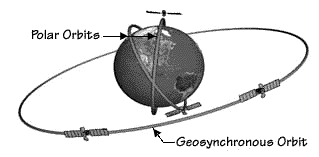
NOAA-N is the 16th in a series of polar-orbiting satellites dating
back to 1978. NOAA uses two satellites, a morning and afternoon
satellite, to ensure every part of the Earth is observed at least
twice every 12 hours.
Severe weather is monitored and reported to the National Weather
Service which broadcasts the findings to the global community.
With the early warning, effects of catastrophic weather events can
be minimized.
NOAA-N also has instruments to support an international search-and-rescue
program. The Search and Rescue Satellite-Aided Tracking System,
called COPAS-SARSAT, transmits to ground stations the location of
emergency beacons from ships, aircraft and people in distress
around the world. The program, in place since 1982, has saved
about 18,000 lives.
Like other NOAA satellites, the NOAA-N will collect meteorological
data and transmit the information to users around the world to enhance
weather forecasting. The data will be used primarily by NOAA's National Weather Service for its weather and climate forecasts. NOAA-N
will be re-named NOAA-19 after achieving its orbit...
Here
you will find the way to receive their signals and to
display them on the monitor of your PC.
V
pátek dne 6.
února 2009 se zájemcům
o příjem „on line“ informací z meteorologických
satelitů otevřelo další,16., nové, nejméně dvouleté období pro experimenty
s nejnovější technologií. Toho dne byla
úspěšně
vypuštěna z americké
letecké základny Vandenberg v Kalifornii raketa Delta
2 a vynesla na oběžnou dráhu nový satelit NOAA-N,
který
po dosažení oběžné dráhy dostal definitivní označení NOAA
19. Satelit
NOAA-N
byl postaven koncernem Lockheed Martin. Stavbu
satelitu, jeho vypuštění i provozní zkoušky má na starosti
Goddardovo středisko kosmických letů NASA. Poté bude převedena
do správy amerického národního meteorologického ústavu NOAA.
Na palubě satelitu NOAA-19 jsou instalovány kamery pro pořizování
snímků oblačnosti ve viditelné a infračervené oblasti,
mikrovlnné skenery a radiometry pro měření teplotních profilů
atmosféry a určování obsahu vlhkosti v ní. Dále nese dva převaděče
záchranného systému SARSAT/COSPAS, umožňujícího lokalizaci
letadel, lodí a dalších dopravních prostředků v nouzi. V
současné době jsou také aktivní satelity NOAA-15 (APT 137.50MHz) NOAA17 (APT
137.62MHz) a NOAA-18 (137.10MHz. Jak uskutečnit příjem signálů a jak je zobrazit
na monitoru počítače se
dozvíte zde.